

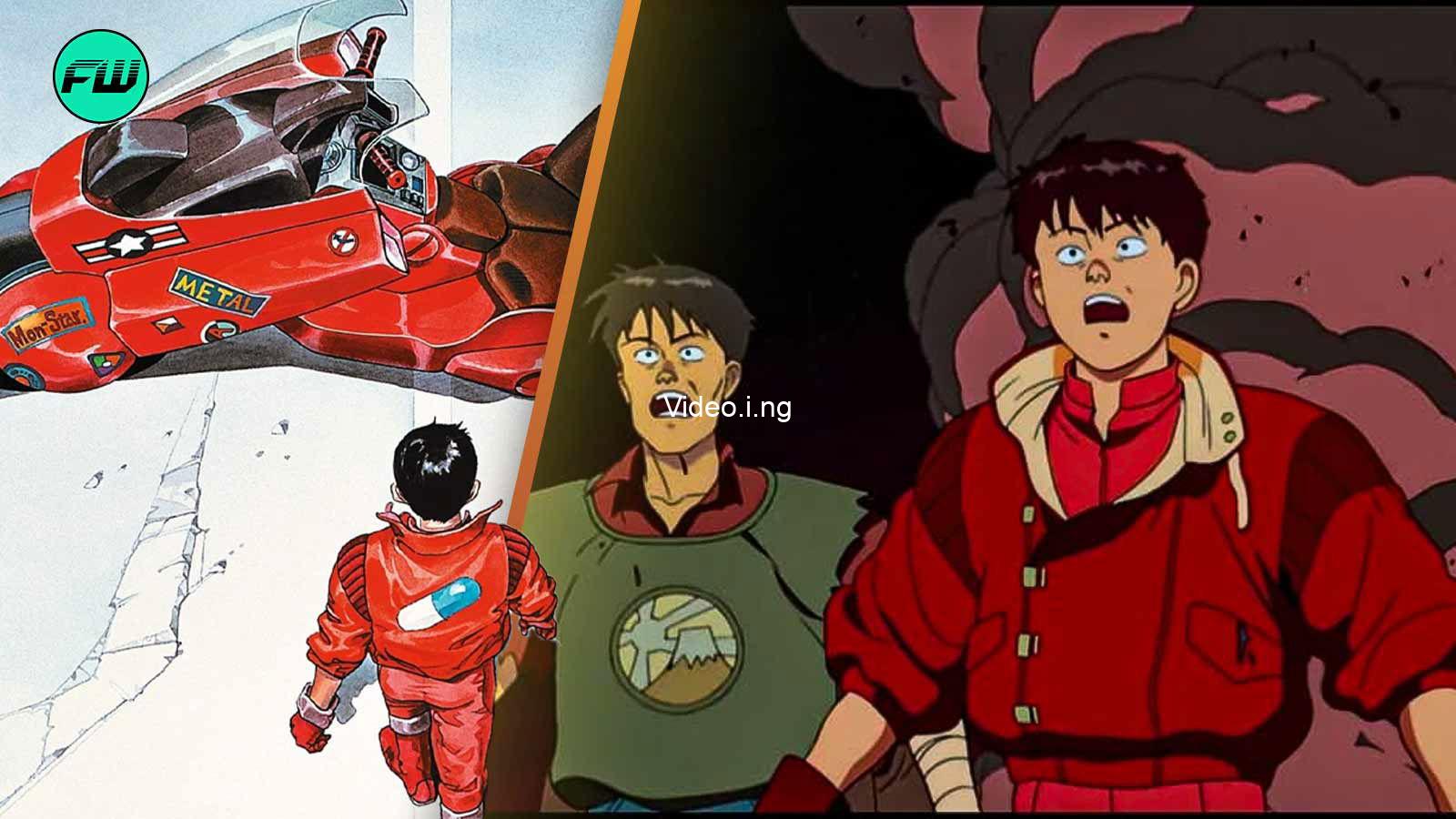
Few anime films have had as much cultural impact as Akira. The 1988 cyberpunk masterpiece shaped the sci-fi genre and influenced countless filmmakers, animators, and storytellers. Based on Katsuhiro Otomo’s groundbreaking manga, the anime was an ambitious adaptation that showcased breathtaking animation, a gripping narrative, and an unforgettable futurist vision of Neo-Tokyo.
A scene from the 1988 sci-fi masterpiece Akira. | Credit: TMS Entertainment
However, the man behind Akira, Otomo himself initially feared the anime would be a failure. This belief might surprise modern-day anime fans, given the film’s legacy, but Otomo’s reaction was rooted in the challenges of adapting his own sprawling manga into a feature-length movie.
Otomo’s initial disappointment with the Akira movie
In a revealing interview with Forbes, Otomo recounted his first impression of the movie, his influences as a creator, and how time changed his perspective on the film’s success. Oromo recounts that when it came time to bring Akira to the big screen, he was deeply involved in the project.
However, despite his direct involvement, he was far from satisfied with the initial results. After seeing the first rush of the film, Otomo left the theater disheartened. As he recalled in the Forbes interview:
Actually, when I saw the first rush of the movie version of Akira I thought it would be a failure. I left the theater very quickly and came back home to tell my wife that the movie was a failure.
He explained that his disappointment stemmed mainly from the pacing and animation quality in the second half of the film. Due to the limitations of time and budget, many cuts were made, and Otomo felt that the film’s quality declined as the story progressed.
Mitsuru Kuwata from Akira movie. | Credit: TMS Entertainment
Given that the original Akira manga spanned over 2,000 pages, compressing it into a two-hour movie was an immense challenge, requiring significant narrative rearrangement. Despite his initial concerns, Otomo’s perception of the Akira movie changed over time.
Years after the film’s debut, composer Shoji Yamashiro invited him to watch it again, this time with a remastered five-channel audio mix. And this time, the experience shifted Otomo’s perspective as he explained:
Maybe time had made me softer but when I saw it again I thought, ‘Oh, this is interesting’ and that maybe it wasn’t so bad after all.
This newfound appreciation by Katsushiro Otomo echoed what many critics and fans had long recognized: It was an innovative masterpiece that redefined anime and established a new standard for storytelling and animation.
Related Bruce Willis’ Best Movie After Die Hard Sneakily May Have Taken Help From One of the Best Anime Movies of All Time, Akira
The film’s meticulous hand-drawn animation, cyberpunk aesthetic, and socio-political themes resonated with audiences worldwide, cementing its status as a landmark in animation history.
The legacy of Akira: From doubt to enduring influence
More than three decades after its release, Akira still remains a cornerstone of anime and cyberpunk fiction. Its impact extends far beyond Japan, influencing several Western filmmakers like the Wachowskis (The Matrix), Christopher Nolan (Inception), and Rian Johnson (Looper).
Tetsuo Shima from Akira movie. | Credit: TMS Entertainment
The film’s dystopian vision of Neo-Tokyo, its groundbreaking animation techniques, and its complex philosophical themes continue to inspire new generations of creators. Moreover, adding to that Warner Bros. is now working on a live-action adaptation of Akira, which has been in development for several years.
Related Leonardo DiCaprio, Taika Waititi’s Live Action Akira Movie: Decade-Old Concept Art Shows What Could Have Been
Meanwhile, Katsuhiro Otomo’s early doubts about Akira serve as a fascinating reminder that even creators are not always the best judges of their own work. What he once feared would be a failure turned into one of the most revered anime films of all time.
Akira is currently available to watch on Netflix.
This post belongs to FandomWire and first appeared on FandomWire