

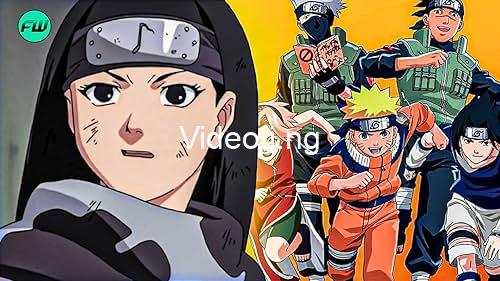
Undoubtedly, Naruto is one of the bestselling manga in the shonen genre. The series took the anime realm by storm back in the 2000s. It still holds a special place in both viewers’ and readers’ hearts for many reasons.
Apart from being one of the Big 3 of Shonen, the series had a massive impact on culture and society worldwide. And though it was celebrated for its portrayal of camaraderie and action, it was laden with dark elements.
Kin Tsuchi’s corpse in the anime | Credit: Studio Pierrot
Most readers would vouch for the sheer amount of brutality present in the text. Compared to the anime, it had its fair share of jarring and nerve-racking scenes. And though it was impactful, there were caveats to that as well.
In particular, Studio Pierrot chickened out with its faithful adaptation of gore and violence which made the scenes flat and bland in every aspect. And like every other studio, there were solid reasons behind it that make sense.
Naruto manga’s all-out approach to gore and brutality
Almost three decades back, Naruto began its serialization in the Shonen Jump. It was all the rage in the 2000s and still holds its place as one of the popular series in the Shonen genre. But that is not the end of it all.
While time flies, the series did leave an indelible impression on both readers and viewers. This holds for the manga and its exploration of dark, disturbing, and unsettling aspects. It became a standalone aspect of the original series.
Jugo kills his inmates in the anime | Credit: Studio Pierrot
From child soldiers and orphans to medical experiments and massacres, the manga underlined sheer horror and brutality. The gore and disturbing elements were rather intertwined with the premise and its eventual development.
For readers, it was nothing short of a haunting experience as they reminisced it for years. And while the anime accentuated the eerie nature of the elements, it rendered it lackluster and drab in more ways than one.
Related “The others are all original”: Unlike One Piece, Kishimoto’s Naruto Had Only 1 ‘Inspired’ Character Who Has Zero Haters in the Show
Of late, several fans noted the glaring differences between the manga and anime while pointing out the censorship.
Manga vs Anime byu/Madagascar003 inNaruto
Comment byu/Madagascar003 from discussion inNaruto
Comment byu/Madagascar003 from discussion inNaruto
Comment byu/Madagascar003 from discussion inNaruto
Comment byu/Madagascar003 from discussion inNaruto
From blood to bones, the carnage and the macabre scenes were reduced to mockery. It was almost cartoonish and caricaturish in every aspect. And though the anime did sustain the creepiness, it jumped on the bandwagon of censorship.
Studio Pierrot and the censorship conundrum
From ketchup blood to blubbery arms, Studio Pierrot flattened out most gory details in the anime. The beloved anime was reduced to a mere mockery due to heavy censorship and incessant fear. But there’s more to it than meets the eye.
While the 2000s was the golden age of anime, it did backfire on some of the iconic Shonen and Seinen series. From Elfen Lied to Death Note, censorship was pretty much a buzzkill for the anime industry and Kishimoto’s series is no exception to that.
Hayate Gekko’s death in the anime | Credit: Studio Pierrot
From Shikamaru’s smoking scene to Jugo killing his inmates, every gruesome detail was trimmed down eventually. This ties in well with the series’ viewership and target audience on the whole.
Apart from adults, the demographic catered to children and teenagers. The censorship move was harsh yet it makes sense for the most part. And though the anime skimmed the carnage, it did retain the perturbing elements nonetheless.
Related “That explains why Minato has a chakra cloak too”: Masashi Kishimoto Still Hasn’t Debunked Mystery Around Naruto’s Jinchuriki Forms
By and by, the manga does have a chokehold over readers in terms of its portrayal of bloodbath and gore. But majorly, it is a reminder of the finesse and depth that the anime cannot fully encapsulate.
Naruto is available for streaming on Crunchyroll. The manga is available for reading on Shueisha’s Manga Plus app.
This post belongs to FandomWire and first appeared on FandomWire